
That post-walk smell tends to show up right before guests do. If you’re wondering how to bathe dog at home without turning your bathroom into a splash zone, the good news is that a calm, clean bath is absolutely doable with the right setup.
For most pet parents, the hard part is not the shampoo. It is the juggling act – keeping your dog comfortable, protecting your floors, and getting the job done before your pup decides bath time is a full-contact sport. A little prep makes a big difference, and it usually costs less, takes less time, and feels easier on your dog than an unplanned wash.
How to bathe dog at home the easy way
Start by choosing the right bathing spot for your dog’s size. Small dogs usually do well in a sink or utility tub, while medium and large dogs are often easier to manage in a bathtub, walk-in shower, or even outside if the weather is warm. The best location is the one where your dog can stand securely and you can reach everything without leaving them unattended.
Before the water turns on, gather what you need and keep it within arm’s reach. That usually means dog shampoo, a brush, two towels, a nonslip mat, and a cup or sprayer for rinsing. If your dog gets nervous, have a few treats nearby too. Bath time moves more smoothly when you are not scrambling for supplies with one wet hand.
Brushing before the bath is one of the most overlooked steps. Loose fur, dirt, and tangles are easier to remove when the coat is dry. If you skip this, water can tighten mats and make the coat harder to clean. For dogs with thick or double coats, this step matters even more because trapped fur can hold soap and moisture close to the skin.
Water temperature should feel lukewarm, not hot. Dogs are sensitive to heat, and water that feels fine to you may feel too warm to them. Keep the pressure gentle, especially around the face, belly, and paws. If your dog is skittish, start at the shoulders and work downward instead of aiming straight for the head.
What to do before you start the bath
A successful bath usually begins before your dog even enters the tub. If your dog has extra energy, a short walk can help. A calmer dog tends to tolerate bathing much better than one who is bouncing off the walls.
It also helps to place a nonslip surface in the tub or sink. Many dogs panic when they feel their feet sliding. That one simple fix can make them feel more secure right away. If your dog has had bad bath experiences before, speak in a cheerful, steady voice and keep your pace relaxed. Dogs pick up on tension fast.
If your pup has sensitive skin, itching, hot spots, or a strong odor that does not improve with routine bathing, it may be worth checking with your veterinarian before trying a new grooming product. Not every dirty-looking coat needs a stronger shampoo. Sometimes the issue is skin-related, and harsh products can make it worse.
Nail trims and ear cleaning can also be part of a grooming routine, but they do not always belong in the same session. Some dogs can handle everything at once. Others get stressed if bath time turns into a full spa appointment. It depends on your dog’s temperament, age, and comfort level.
The best way to wash your dog
Once your dog is in place, wet the coat thoroughly from the neck down. Dense coats can take longer than expected, so do not rush this part. If the fur is not fully wet, shampoo will sit on top instead of spreading evenly.
Use a dog-specific shampoo and start with a small amount. More soap does not mean a cleaner dog. In fact, too much product usually creates more rinsing and more residue. Work the shampoo into the coat with your hands, moving from the neck to the chest, back, sides, belly, legs, and tail.
The face needs a gentler approach. Avoid pouring water or shampoo directly over your dog’s head. Instead, use a damp washcloth to wipe around the face, muzzle, and under the eyes. Keep soap away from the eyes and inner ears. Even easygoing dogs can get upset quickly if shampoo stings.
Pay extra attention to the paws, underside, and rear, since those areas usually collect the most dirt. If your dog loves mud, grass, or mystery yard smells, you may need a second light wash in those spots. Still, it is usually better to spot-clean than to overdo the whole bath.
Rinsing matters just as much as washing. Leftover shampoo can irritate the skin and leave the coat feeling dull or sticky. Rinse until the water runs clear and the fur feels clean, not slippery. For thick-coated breeds, part the fur with your fingers as you rinse so water reaches all the way through.
Drying your dog without the chaos
A soaking-wet dog has one goal: find your couch before you do. Drying quickly helps reduce mess and keeps your dog comfortable.
Start with a towel and press rather than rub, especially if your dog has a long coat. Vigorous rubbing can cause tangles. Use one towel to absorb the first layer of water and another to finish the job. If your dog tolerates it, a pet dryer or blow dryer on a cool or low setting can help, but keep it moving and never hold hot air too close to the skin.
Some dogs air-dry just fine, while others can stay damp for too long, especially under thick fur. That trapped moisture can lead to odor, irritation, or a musty coat. If your dog has a heavy coat, spend extra time drying the undercoat around the chest, belly, and hips.
After the bath, reward your dog right away. A treat, a favorite toy, or a little playtime helps create a better association for next time. Bathing gets easier when your dog learns that the routine ends with something positive.
How often should you bathe a dog at home?
There is no single schedule that works for every dog. Coat type, activity level, skin sensitivity, and lifestyle all matter. A dog who hikes every weekend may need more frequent baths than one who mostly lounges indoors.
Many dogs do well with a bath every one to three months, with occasional spot cleaning in between. Dogs with oily coats may need more frequent washing, while dogs with dry or sensitive skin may need less. If you bathe too often, you can strip natural oils and leave the coat and skin feeling dry.
That is why the “more is better” approach does not really work here. If your dog smells bad a day after a bath, the answer may not be another bath. It could be bedding that needs washing, ears that need attention, or a skin issue worth checking.
Common bath time mistakes to avoid
The biggest mistake is poor preparation. When you start the bath without towels, treats, or a brush nearby, the whole process gets longer and more stressful. Another common issue is using human shampoo, which can throw off your dog’s skin balance and cause irritation.
Bathing too aggressively can also backfire. If your dog is nervous, forcing the pace usually increases resistance. A slower, more reassuring approach often works better, even if it adds a few extra minutes.
And then there is the rinse. Many dogs look clean while still holding soap under the coat. If your pup scratches more after a bath, leftover product may be the reason.
Making home baths easier over time
The easiest bath is the one your dog already expects. Consistency helps. Use the same calm routine, the same bathing spot, and the same upbeat tone each time. Dogs thrive on predictable patterns.
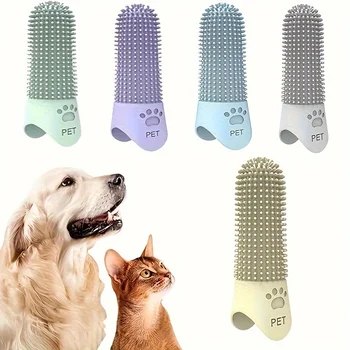
It also helps to keep a few grooming basics on hand so you are not improvising every time your pup rolls in something questionable. A reliable brush, absorbent towels, and gentle bathing tools can turn a stressful chore into a faster, more manageable part of pet care. For busy households, that kind of convenience matters.
If you are building a simple grooming routine, practical everyday essentials make a real difference, and that is exactly why many pet parents look for affordable, dependable options from stores like Global Paw Store. The goal is not to create a fancy grooming setup. It is to make regular care feel easier for you and better for your furry friend.
Some baths will still be messy. Some dogs will still shake water onto every available surface. That does not mean you are doing it wrong. It just means you have a dog. Stay patient, keep it simple, and each bath gets a little more manageable than the last.




0 Comments