
A bored indoor cat usually does not stay subtle about it. You see the midnight zoomies, the swats at table corners, the sudden obsession with your charging cable. The right cat toys for indoor cats can turn that restless energy into healthy play, better exercise, and a happier routine for both of you.
Indoor cats have a lot going for them. They are safer from traffic, harsh weather, and outdoor hazards. But they also miss out on the constant stimulation that comes naturally outside. That is why toy choice matters more than many pet parents expect. A good toy is not just cute or convenient. It should help your cat stalk, chase, pounce, climb, scratch, and problem-solve in ways that feel natural.
Why cat toys for indoor cats matter
Play is how cats rehearse their instincts. Even the sweetest house cat still has a built-in drive to hunt, track movement, and react to sound. When that energy has no outlet, it can show up as furniture scratching, attention-seeking behavior, overeating, or plain old grumpiness.
The best cat toys for indoor cats help fill that gap. They encourage movement, reduce boredom, and add variety to the day. For kittens, toys support learning and confidence. For adult cats, they help maintain activity and keep routines interesting. For older cats, the right toy can provide gentle engagement without asking too much physically.
There is a practical side for pet owners too. A few well-chosen toys can make indoor life feel more enriching without turning your home into a cluttered pet aisle. That is especially helpful if you want affordable, easy-to-store options that fit into everyday life.
What makes a toy worth buying
Not every toy earns a spot in your cart. Some cats love flashy movement. Others care more about texture, sound, or the thrill of “catching” something small. A toy that works beautifully for one cat may get ignored by another.
That is why variety usually beats buying five versions of the same thing. If your cat has never shown much interest in balls, a pack of different prey-style toys, a crinkle tunnel, or a teaser wand may get a much better response. It also helps to rotate toys instead of leaving everything out all the time. Familiar toys often feel new again after a short break.
Safety matters just as much as fun. Look for sturdy construction, cat-safe materials, and pieces that are not likely to snap off during rough play. Feathers, strings, and small attachments can be exciting, but they also need supervision depending on your cat’s habits. If your cat chews aggressively, simpler and more durable toys are usually the better pick.
The best types of cat toys for indoor cats
Wand and teaser toys
If you want a toy that gets results fast, start here. Wand toys tap into a cat’s chase-and-pounce instinct better than almost anything else. You control the movement, which means you can make the toy dart, hide, pause, and “escape” like real prey.
They are especially helpful for cats that need more exercise or seem uninterested in solo toys. A few short sessions a day can burn off energy and create a nice bonding routine. The trade-off is that teaser toys work best when you are actively involved, so they are not the answer for every busy moment.
Balls, mice, and small bat-around toys
These are the everyday classics for a reason. Lightweight toys that skid across the floor let cats chase on their own, especially at odd hours when they suddenly decide it is time to sprint through the hallway.
The best versions are simple, durable, and easy for a cat to carry or swat. Crinkle sounds, bells, and soft textures can make them more appealing, although some cats prefer quieter play. If your cat loses interest quickly, try a mixed set with different shapes and materials rather than just one style.
Puzzle toys and treat toys
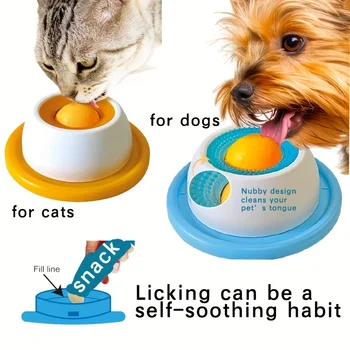
For food-motivated cats, puzzle toys can be a smart upgrade from basic playthings. They add mental stimulation and make snack time feel more like work in the best way. Cats nudge, paw, or roll the toy to get treats out, which slows them down and keeps them engaged.
These are great for indoor cats that get bored easily or need more enrichment during the day. The catch is that they do not work for every cat right away. Some need a very easy introduction before they understand the payoff. Start simple, then increase difficulty once your cat gets the idea.
Tunnels and pop-up hideouts
A cat tunnel does more than look fun in your living room. It creates a place to dash through, hide, ambush, and nap. For multi-cat homes, tunnels can spark interactive play. For shy cats, they can offer a little security while still encouraging movement.
Tunnels are especially useful because they make other toys more interesting. A rolling ball is more exciting if it disappears through a tunnel. A wand toy becomes better when it can dart around corners. If space is tight, collapsible styles are the easiest to store.
Catnip and silvervine toys
Some cats go wild for catnip. Others barely react. That is normal. Catnip toys can be a great way to re-energize play, but they are not a universal winner. Silvervine is another option that some cats respond to even if catnip does nothing for them.
These toys are best used as part of a toy mix, not the whole strategy. They can be helpful for encouraging independent play, especially with plush toys meant for kicking and wrestling. If your cat gets overstimulated, save them for shorter sessions.
Electronic and motion toys
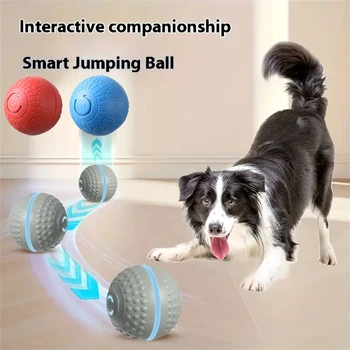
Battery-powered toys can be a big help when you want to keep your cat interested without waving a teaser around the room yourself. Moving lights, spinning attachments, and unpredictable motion can trigger curiosity fast.
Still, this category is very cat-dependent. Some cats love the action. Others get wary if the toy feels too noisy or unnatural. Electronic toys also tend to cost more, so they are often best as one part of a broader toy collection rather than your only option.
How to choose based on your cat’s personality
A confident, playful cat may love almost anything that moves. A cautious cat might prefer softer play with small plush toys or a tunnel that lets them hide between pounces. Kittens often enjoy high-energy toys and lots of novelty, while senior cats may do better with slower movement and toys that do not require big jumps.
If your cat wakes up at full speed every evening, active chase toys are likely a good fit. If your cat spends a lot of time watching, stalking, and then making one dramatic move, puzzle toys and teaser play may match that style better. And if your cat constantly scratches furniture, adding scratch-friendly enrichment alongside toys can make a real difference.
This is where shopping convenience matters. A broad assortment gives you room to test what works without overspending on one fancy item that may flop. Stores like Global Paw Store appeal to pet owners for exactly that reason – it is easier to build a practical mix when you can compare affordable, everyday options in one place.
Getting more play out of the toys you already have
You do not always need more toys. Sometimes you just need a better routine. Rotating toys every few days keeps them from becoming background clutter. Hiding a favorite toy and bringing it back later can instantly boost interest.
Try short play sessions instead of one long one. Many cats respond better to 5 to 10 minutes of focused action a couple of times a day. It also helps to let your cat “win” at the end of interactive play. Catching the toy gives the hunt a satisfying finish.
Placement matters too. A tunnel in the middle of a busy room may get ignored, while the same tunnel near a window or tucked beside a sofa can become a favorite zone. If your cat likes vertical space, pair toys with a perch or cat tree to create more ways to stalk and pounce.
Common mistakes pet owners make
One common mistake is buying only what looks cute to humans. Cats usually care less about appearance and more about movement, texture, and surprise. Another is assuming an expensive toy will automatically work better. Sometimes the cheapest little crinkle ball wins every time.
It is also easy to mistake a cat’s first reaction for a final verdict. Some cats need time. Leave a new toy nearby, pair it with a familiar favorite, or use a little catnip if appropriate. On the other hand, if a toy seems flimsy or unsafe, skip the second chance and move on.
Finally, do not underestimate boredom with repetition. Even a great toy can lose its magic if it is always available in the same place, used the same way, at the same time.
Building a simple indoor play setup
For most homes, a balanced toy setup does not need to be complicated. One interactive teaser, a few small chase toys, one puzzle option, and a tunnel or plush kicker can cover a lot of ground. That mix supports different moods – active play, solo play, treat-based enrichment, and comfort play.
The goal is not to create a giant collection. It is to make indoor life feel active, interesting, and comfortable for your cat without making shopping harder than it needs to be. When toys are chosen with your cat’s habits in mind, even a small set can go a long way.
A happy indoor cat usually is not looking for more square footage. More often, they are looking for something worth chasing, pouncing on, or figuring out before dinner. Give them that, and home starts to feel a lot bigger.



0 Comments