
You know the type of toy that lasts all of nine minutes. It looks promising out of the package, your dog gets excited, and then the floor is covered in little rubber pieces before your coffee cools down. That is exactly why a durable chew toys comparison matters. If you are shopping for a strong chewer, the real question is not just which toy is toughest. It is which toy matches your dog’s chewing style, size, and habits without turning playtime into constant replacement time.
A good chew toy should do three jobs well. It should hold up better than average, keep your dog interested, and feel like a smart buy instead of a repeat expense. The trick is that no single material wins for every dog. Some pups crush soft rubber in minutes but do great with nylon. Others ignore hard toys and stay engaged only when there is bounce, scent, or a treat element built in.
Durable chew toys comparison: what really matters
When pet owners compare chew toys, they usually start with toughness. That makes sense, but durability alone can be misleading. A toy can be very hard and still be a poor fit if your dog will not touch it or if it is too rigid for their teeth and chewing style.
Material is the first thing to look at. Natural rubber tends to offer the best balance for many dogs because it has some give while still resisting tearing. Nylon usually lasts longer for determined gnawers, but it can be too hard for some dogs and less appealing for dogs who prefer to chomp and carry rather than sit and grind. Rope toys work for light to moderate chewers, especially in interactive play, but they are rarely the best choice for dogs that love to shred. Plush toys, even reinforced versions, are usually about comfort and fun more than serious durability.
Shape matters almost as much as material. A thick ring, bone, or solid cylinder will usually outlast toys with thin edges, ears, tails, or decorative extras. If your dog targets corners and seams, simple designs tend to perform better than cute ones.
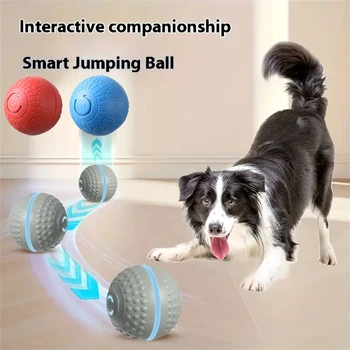
Then there is engagement. The most durable toy in the world is not a bargain if it spends all week untouched in the toy basket. Dogs often stay with a toy longer when it rolls unpredictably, has a texture they can grip, or can hold treats. That extra interest can make a mid-priced toy feel like a better value than a cheaper option your dog ignores.
Comparing chew toy materials by chew style
The easiest way to shop is to think about how your dog chews, not just how strong they are.
For heavy grinders
These dogs settle in and work a toy with serious focus. They are not just playing. They are trying to break it down. For this group, dense rubber and nylon are usually the best starting points.
Dense rubber is a strong all-around choice because it gives a little under pressure. That can make it more satisfying and more forgiving than very rigid options. It is often the better pick for dogs who chew hard but still like a bit of bounce or movement. The trade-off is that aggressive chewers can eventually tear rubber, especially if the toy has grooves or treat openings.
Nylon often lasts longer under sustained gnawing. If your dog destroys most toys quickly, a well-made nylon chew may hold up best. The downside is comfort and appeal. Some dogs love the firm texture. Others lose interest fast. You also need to monitor wear closely and replace it if rough edges develop.
For chompers and carriers
Some dogs like to bite down hard, toss the toy around, then come back to it later. They are less focused on grinding and more interested in carrying, fetching, and chewing in bursts. Rubber usually wins here because it gives you durability without feeling too stiff.
A ball-shaped or ring-shaped rubber toy can be especially useful for this style of dog. It keeps play versatile, which often means better long-term use. For many households, this is the sweet spot between durability, fun, and price.
For shredders
Shredders attack weak points. Seams, corners, handles, and fabric layers are all fair game. For these dogs, plush and rope toys are usually short-term entertainment, not durable investments. If your dog loves to tear, choose solid one-piece toys with minimal protrusions.
This is also where expectations matter. Even strong toys can wear faster when a dog is determined to rip rather than chew. A toy designed for fetch or cuddle time may still be worth having, but it should not be your main chew solution.
Durable chew toys comparison by toy type
If you are browsing an online store, you will usually see chew toys grouped by shape or function. That is helpful, but it can also blur the differences between what lasts and what simply looks durable.
Rubber chew toys
For most dog owners, rubber is the easiest place to start. It is versatile, easy to clean, and widely available in different sizes. Good rubber toys can work for chewing, solo play, and treat-stuffing, which adds value if you want one toy to do more than one job.
The biggest advantage is balance. Rubber tends to be durable without being overly harsh. It is a practical choice for medium chewers and many strong chewers. Just be careful with toys that are labeled for all dogs but have thin walls or elaborate shapes. Those features often reduce lifespan.
Nylon chew toys
Nylon is built for dogs that mean business. If your pup destroys standard rubber toys quickly, nylon may last longer and save money over time. These toys are often shaped like bones, sticks, or textured bars, and they appeal most to dogs that enjoy repetitive gnawing.
The trade-off is that nylon is more specialized. It is not usually the best pick for fetch, and some dogs find it less exciting. It can be a smart second toy rather than the only toy in rotation.
Rope toys
Rope toys can be great for tug, light chewing, and interactive play. They are affordable and easy to toss in a basket with other favorites. But in a durable chew toys comparison, rope rarely ranks at the top for heavy chewers.
Fibers can fray, and strong shredders can take them apart fast. If your dog loves rope, it is best used with supervision and as part of a broader toy mix rather than a stand-alone answer for serious chewing.
Plush and reinforced fabric toys
These are usually bought because they are cute, soft, and fun for dogs that like to carry or cuddle their toys. Some reinforced versions last longer than standard plush, but they still are not ideal for determined chewers.
That does not make them a bad purchase. It just means they belong in the comfort-and-play category, not the heavy-duty chew category.
How to spot better value, not just a lower price
A cheap toy that lasts one afternoon is rarely the budget-friendly choice. A slightly higher-priced toy that stays in rotation for weeks or months can be the better deal, especially if your dog actually enjoys it.
Look for clear sizing, straightforward material descriptions, and designs that match real chewing behavior. One-piece construction is usually a plus. Thick walls are a plus. Easy-clean surfaces are a plus for busy households. If a toy can also dispense treats or work for fetch, that adds practical value without forcing you to buy multiple separate toys.
This is where curated pet stores can make shopping easier. Instead of sorting through endless novelty options, you can focus on affordable, quality-conscious choices that fit everyday play and chewing habits.
Choosing the right toy for your dog
A puppy with sharp little teeth does not need the same toy as an adult power chewer. A senior dog may prefer something gentler, even if they still chew daily. Size matters too. A toy that is too small can be a safety risk, while one that is too large may not hold your dog’s interest.
Think about your dog’s pattern. If they destroy toys in one sitting, go for denser materials and simpler shapes. If they get bored easily, choose a durable rubber toy with movement or treat space. If they love variety, mix a long-lasting chew option with a softer play toy for supervised fun.
It also helps to rotate toys instead of leaving every option out at once. Dogs often stay more interested when familiar toys reappear after a short break. That small habit can stretch value and keep playtime feeling fresh.
Safety is part of durability
The best durable toy is still not a forever toy. Check for cracks, missing chunks, sharp edges, or heavy fraying. Replace toys once wear becomes noticeable rather than waiting for them to fully fall apart.
Supervision is especially smart when introducing a new material. Some dogs surprise you. The toy you thought would last may become a target, while the one you were unsure about turns into a daily favorite.
If you are building a better toy setup, the goal is not to find one magical product. It is to choose a few dependable options that fit your dog’s real habits and your budget. For many pet owners, that means starting with a high-quality rubber chew toy, adding a tougher nylon option for dedicated gnawing, and treating rope or plush toys as occasional extras. Global Paw Store’s approach to everyday pet essentials makes that kind of practical, value-focused shopping a lot easier.
Your dog does not care about marketing words on a package. They care about texture, challenge, and fun. Shop with that in mind, and the right chew toy will feel less like a gamble and more like money well spent.



0 Comments