
A bored dog rarely stays quietly bored for long. One minute your pup is staring at you from the couch, and the next they are stealing socks, chewing a table leg, or turning a throw pillow into confetti. That is why interactive toys for bored dogs can make such a big difference in everyday life. The right toy does more than entertain – it gives your dog a job to do, helps burn mental energy, and makes time at home feel a lot more fun for both of you.
Not every dog gets bored in the same way, though. Some want to chase and pounce. Others want to sniff, lick, chew, or solve little problems for a reward. Choosing well starts with understanding what kind of play your dog naturally enjoys and how much effort you want to put into setup, cleanup, and supervision.
Why boredom shows up so fast in dogs
Dogs are active, curious animals, even when they live a comfortable indoor life. A quick walk around the block may help with physical exercise, but many dogs still need mental stimulation once they get back home. That extra mental energy often comes out as barking, pacing, digging, counter surfing, or clingy behavior.
Interactive play helps because it gives your dog something to figure out. Instead of waiting for the day to happen around them, your pup gets a small challenge and a reward. For busy households, that can be a practical way to add enrichment without turning every afternoon into a full training session.
The best interactive toys for bored dogs depend on play style
A toy that keeps one dog engaged for 30 minutes might get ignored by another after 30 seconds. That is normal. Breed tendencies, age, chewing strength, confidence, and food motivation all matter.
If your dog is highly food motivated, treat-dispensing toys and puzzle feeders usually get the fastest win. If your pup loves motion, rolling or bouncing toys tend to hold attention better. Strong chewers need durable materials first and clever features second. Puppies often do best with simpler options, while experienced adult dogs may need more challenge to stay interested.
10 interactive toys for bored dogs worth trying
1. Treat-dispensing balls
These are a classic for a reason. Your dog nudges, rolls, and paws the ball around to release kibble or treats a little at a time. It turns snack time into a game and can slow down fast eaters too.
This type works especially well for dogs who get excited by movement. It is simple, affordable, and easy to use, though the noise on hard floors can get old if you are working from home.
2. Puzzle boards
Puzzle boards ask your dog to slide panels, lift lids, or move pieces to find hidden treats. They are great for mental stimulation and can be a nice fit for rainy days or apartment living.
The trade-off is that some dogs learn the pattern quickly. Once that happens, the toy may need to be rotated out for a week or paired with a harder option to stay interesting.
3. Snuffle mats
For dogs who love to sniff, a snuffle mat can be more satisfying than a toy that bounces or squeaks. You hide kibble or small treats inside the fabric layers, and your dog uses their nose to hunt them down.
This style taps into natural foraging instincts and tends to create calm, focused engagement. It is less ideal for dogs that shred fabric or for households that want a zero-mess solution.
4. Lick mats
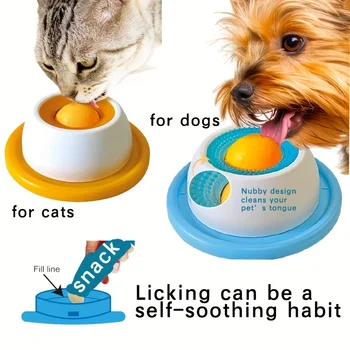
Lick mats are simple but effective. Spread a dog-safe soft treat across the surface, and your pup will spend time licking it out of all the grooves and patterns.
Licking can be soothing, which makes these especially helpful during crate time, grooming, or quiet evenings at home. They are not the most exciting choice for every dog, but they can be a strong option for nervous pups or dogs that need calmer enrichment.
5. Tug toys with interactive features
Some tug toys include crinkles, multiple textures, or hidden treat compartments to keep play going longer. If your dog loves active play with you, these can be a great way to turn a quick break into meaningful engagement.
They do require your participation more than puzzle toys do. That is not a downside if you want bonding time, but it is worth knowing if you are shopping for something your dog can enjoy solo.
6. Chew toys with treat slots
These toys combine two big boredom busters – chewing and food. You can stuff them with treats, kibble, or a spreadable filling, then let your dog work on getting every last bit out.
For moderate to strong chewers, this is often one of the best value options because the toy can stay useful over time. Just make sure the size and material match your dog’s chewing strength.
7. Plush hide-and-seek toys
These toys usually come with a larger plush piece and several smaller squeaky toys hidden inside. Dogs pull them out, toss them around, and keep going back for more.
They are fun and adorable, especially for small to medium dogs or gentler players. Heavy chewers may destroy them quickly, so this is more of a supervised play choice than an all-day toy.
8. Rolling puzzle feeders
A rolling puzzle feeder is a step up from a standard treat ball. Many have adjustable openings or interior barriers that make the challenge last longer.
This is a smart choice if your dog solved basic treat toys too easily. It gives you more control over difficulty, which helps the toy stay fresh instead of becoming another ignored item in the basket.
9. Motion-activated toys
Some dogs light up when a toy moves unexpectedly, makes a sound, or reacts to touch. Motion-activated toys can help capture interest fast, especially for dogs that get bored with passive toys.
That said, it depends on your dog’s confidence. Bold dogs may love the action. More cautious dogs may need a slow introduction before they feel comfortable engaging.
10. Rope and reward combo toys
These toys blend chewing, tugging, and treat-seeking into one product. They are useful if your dog tends to cycle between different types of play and loses interest quickly.
A combo toy can save space and money because it covers more than one need at once. The downside is that no hybrid toy does every job perfectly, so specialized toys may still work better for some dogs.
How to choose interactive toys for bored dogs without wasting money
Start with your dog’s actual habits, not just what looks cute in a product photo. If your pup ignores plush toys but goes crazy for food puzzles, lean into food-based enrichment. If they chew through soft materials in minutes, durable rubber or tougher construction matters more than extra features.
It also helps to think about your routine. Some toys are great for independent play while you answer emails or cook dinner. Others are better for five to ten minutes of shared play before bedtime. A good toy should fit your day, not create extra hassle.
Price matters too, and there is no need to assume the most expensive option is automatically best. A well-made, easy-to-clean toy that matches your dog’s play style often delivers more value than a trendy gadget your pup never touches. For everyday pet parents, practical wins.
Rotate toys to keep them exciting
One common mistake is leaving every toy out all the time. Dogs can get used to constant access, which makes even good toys feel ordinary. Rotating a smaller selection keeps interest higher and helps each toy feel new again.
Try offering two or three interactive options at a time, then swapping them every few days. This works especially well if you mix styles, like one chew toy, one sniffing toy, and one movement-based toy. You do not need a huge collection to make your dog’s environment feel more engaging.
Safety matters more than novelty
A toy only adds value if it is safe for your dog’s size and play habits. Check materials, seams, removable parts, and recommended weight ranges. Supervise new toys at first so you can see whether your dog uses them as intended or immediately tries to tear them apart.
Cleanliness matters too. Food-based toys and fabric enrichment products need regular washing to stay fresh and safe. Easy-care options are often the most realistic choice for busy families who want something convenient enough to use often.
When a toy is not enough
Interactive toys help, but they are not a full replacement for walks, training, sniffing time outdoors, and attention from you. If your dog is still restless after trying several options, the issue may be bigger than boredom alone. Some dogs need more exercise, more routine, or a better balance of calming and active activities.
That is why the best results usually come from combining toys with simple daily enrichment. A short training session, a slower sniff walk, and a good puzzle toy can do more together than any single product can do on its own.
Finding the right fit may take a little trial and error, but once you see your pup settle into focused, happy play, it is worth it. A well-chosen toy can turn idle time into something satisfying, and that is a small upgrade that makes home feel better for your furry friend and a whole lot easier for you.





0 Comments