
The first night with a new puppy usually answers one question fast: is the crate set up to help them settle, or is it making things harder? A good puppy crate setup example is not about stuffing the space with cute extras. It is about creating a small, safe, easy-to-clean area that helps your puppy rest, learn routines, and feel secure from day one.
For most new dog owners, the sweet spot is simple. You want comfort, but not so much loose bedding that your puppy chews it apart. You want entertainment, but not so many toys that the crate turns into a play bin. And you want the crate in the right spot in your home so your puppy feels close to the family without being stuck in the middle of constant noise.
A practical puppy crate setup example
Picture a standard wire or hard-sided crate sized so your puppy can stand up, turn around, and lie down comfortably. Inside, there is a soft but washable crate pad or thin bed, a safe chew toy, and if your puppy is very young, possibly a divider panel to keep the space from feeling too big. Over one side of the crate, a light cover can help reduce visual stimulation, but airflow should always stay open.
That is the basic puppy crate setup example most families do best with. It is clean, cozy, and easy to adjust. If your puppy has accidents, you are not dealing with layers of plush blankets and scattered accessories. If your puppy is nervous, the setup still feels warm and inviting without being cluttered.
Start with the right crate size
Crate size affects everything. If the crate is too small, your puppy will be uncomfortable and may resist going in. If it is too large, your puppy may sleep on one side and potty on the other, which works against house training.
For growing puppies, a crate with a divider is often the smartest buy. It lets you create a snug sleeping area now and expand it as your dog grows. That saves money, keeps the setup practical, and makes daily training easier. For value-focused pet owners, this is one of those purchases that pays off because you are not replacing gear every few months.
Wire crates are popular because they offer visibility and airflow. Plastic travel-style crates can be great for puppies who relax better in a more enclosed space. It depends on your puppy’s personality, your home layout, and whether you want one crate mainly for home use or something that also works for trips and vet visits.
What to put inside the crate
A lot of first-time owners overdo the interior. The best crate setups usually stay simple.
Bedding
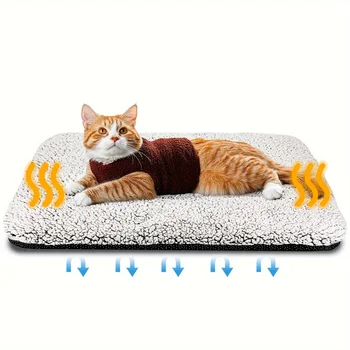
Choose a washable pad, mat, or thin crate bed that gives your puppy some comfort without filling the whole crate with bulky fluff. Very young puppies or heavy chewers may do better with a flatter mat at first. If your puppy starts shredding soft bedding, remove it and go simpler for a while. Comfort matters, but safety comes first.
A safe chew item
One chew toy or puppy-safe comfort toy is usually enough. It gives your puppy something to focus on and helps build a positive association with crate time. Rotating toys outside the crate can keep things interesting, but inside the crate, less is often better.
Water and food
This depends on timing and age. During short daytime crate sessions, many owners skip a water bowl to avoid spills and mess, especially with very young puppies. For longer periods, a crate-safe water attachment may help. Meals are often best used as part of crate training, but you do not need to leave food sitting in the crate all day.
What not to add
Skip anything with small detachable parts, strings, buttons, or stuffing your puppy can tear out. Also avoid turning the crate into storage for every new puppy product you bought. A tidy setup is easier to clean, easier to manage, and more calming for your dog.
Where to place the crate at home
Crate placement matters more than many owners expect. Put it in a spot where your puppy can feel included but not overwhelmed. A living room corner, family room edge, or quiet part of the kitchen often works well during the day.
At night, many families have the best results keeping the crate in or near the bedroom for the first stage of training. Puppies are social, and being close to you can reduce stress, whining, and panic. Once your puppy is sleeping well and settling into a routine, you can decide whether the crate stays there or moves to another area.
Avoid placing the crate in direct sun, next to heating vents, in drafty spots, or in high-traffic walkways where people are constantly stepping around it. You want your puppy to feel secure, not like they are sleeping in the middle of a hallway.
Making the crate feel inviting
A crate should not feel like a timeout zone. The fastest way to build good crate habits is to make the space feel predictable and positive.
Start by leaving the crate door open and letting your puppy explore on their own. Toss in treats, feed a meal nearby or inside, and praise calm behavior. If your puppy walks in and out freely, that is a great sign. If they hesitate, slow down. Pushing a puppy into the crate usually backfires.
Some puppies settle better with a partial crate cover because it creates a den-like feeling. Others get frustrated if they cannot see what is going on. This is one of those it-depends details. Watch your puppy’s behavior instead of assuming one setup works for every dog.
A realistic day-one setup for busy households
If you want a puppy crate setup example you can actually use, think in terms of your normal routine. The crate should fit into real life, not a perfect social media version of pet ownership.
In the morning, your puppy goes out to potty, has breakfast, gets a little playtime, and then spends a short calm period in the crate with a chew toy while you shower or answer emails. During the day, the crate is used for naps and short breaks between potty trips, training, and supervised play. At night, the crate is set up with the same bedding and toy in a quiet sleep spot so the routine stays familiar.
That consistency is what helps puppies relax. Fancy accessories are optional. A dependable setup and schedule matter much more.
Common setup mistakes to avoid
One of the biggest mistakes is using the crate only when the puppy is causing trouble. If the crate always appears right after chewing, barking, or zoomies, your puppy may start to see it as punishment. Mix in plenty of calm, positive crate time when nothing is wrong.
Another common issue is choosing bedding based only on looks. Plush beds can be adorable, but not every puppy is ready for them. Easy-clean materials often make more sense at first, especially during house training.
There is also the temptation to expect too much too soon. A young puppy cannot stay crated for long stretches just because the setup is nice. They still need frequent potty breaks, movement, attention, and training. The crate supports your routine. It does not replace it.
How the setup changes as your puppy grows
Your puppy’s crate needs at eight weeks may not be the same at five months. Early on, you may need the divider, a very basic mat, and a tighter routine around potty breaks. Later, your puppy may be ready for a thicker bed, a slightly larger space, and longer calm periods in the crate.
Teething can also change what works. A puppy who ignored bedding one week may start chewing it the next. That does not mean crate training failed. It usually means the setup needs a quick adjustment.
This is where shopping thoughtfully helps. Practical essentials like washable pads, chew-friendly toys, travel-ready accessories, and easy-clean feeding and hydration items make it easier to adapt without overspending. For families who want convenience and everyday value, stores like Global Paw Store make it easier to build a setup that looks good, works hard, and fits real puppy life.
Keep the crate clean and low-stress
A crate gets used often, so easy cleanup matters. Wash bedding regularly, wipe down surfaces, and remove anything that smells strongly after an accident. Puppies are more comfortable in clean spaces, and it helps keep your home fresher too.
Try not to make every crate entry a dramatic event. Calm in, calm out. If you act rushed or apologetic every time the door closes, your puppy can pick up on that energy. Quiet confidence goes a long way.
The best setup is not the one with the most items. It is the one your puppy can trust. When the crate is comfortable, safe, and part of a steady routine, it becomes a helpful daily tool instead of a struggle. Start simple, watch what your puppy responds to, and adjust from there. That kind of setup tends to work better than anything picture-perfect.




0 Comments