
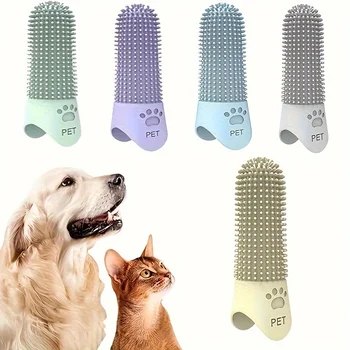
Brushing your dog’s teeth sounds simple until your pup turns it into a wrestling match. That is exactly why a silicone finger toothbrush for dogs has become a go-to pick for pet owners who want something gentler, easier to control, and less intimidating than a standard brush.
For many dogs, the biggest challenge is not the toothpaste. It is the strange shape, stiff feel, and awkward angle of a regular toothbrush. A finger brush changes that experience. Because it fits over your fingertip, you get better control and a more natural feel, which can make daily dental care faster for you and more comfortable for your furry friend.
Why pet owners choose a silicone finger toothbrush for dogs
The biggest selling point is simplicity. A silicone finger toothbrush for dogs gives you direct control over pressure, angle, and movement. If your dog is small, sensitive, nervous, or brand new to brushing, that extra control can make a real difference.
Silicone also tends to feel softer than hard plastic bristles. That matters for dogs with tender gums, puppies learning the routine, or older dogs who may not tolerate rough brushing. Instead of forcing a full dental session, you can ease into it with short, gentle passes along the teeth and gumline.
There is also a convenience factor. Finger brushes are compact, easy to rinse, and simple to store. For busy households, that low-effort setup helps turn brushing from a chore into a habit. And when a pet care tool is easy to use, you are much more likely to use it consistently.
What a silicone finger brush does well
A finger brush is a practical everyday tool. It is especially useful for freshening up the mouth, removing some surface buildup, and helping reduce plaque before it hardens into tartar. Used regularly with dog-safe toothpaste, it supports better oral hygiene without adding a lot of complexity to your routine.
It is also a smart choice for dogs that dislike bulky grooming tools. Some pups accept a finger in the mouth more easily than a long brush handle coming toward them. That can be the difference between brushing a few times a year and brushing several times a week.
Another plus is comfort for the pet owner. You can feel exactly where you are brushing, which helps when working around the back molars or along sensitive areas. That hands-on control often feels more intuitive, especially if you are just getting started with dog dental care.
Where it has limits
A silicone finger toothbrush for dogs is not a magic fix, and it is worth being honest about that. Soft silicone bristles are gentle, but they may not scrub as aggressively as a traditional dog toothbrush. If your dog already has heavy tartar buildup, bad breath that does not improve, or inflamed gums, a finger brush alone may not be enough.
Fit matters too. Some finger brushes run small, while others may feel bulky on slimmer fingers. If it slips while brushing, the experience gets frustrating fast. And for large dogs with strong jaws, some pet owners simply prefer the extra reach of a handled brush.
This is one of those it-depends purchases. If your goal is easy maintenance and a low-stress brushing routine, a finger brush is a great option. If your dog needs deeper cleaning or has advanced dental issues, it may work best as part of a broader care routine rather than the only tool you use.
How to choose the right silicone finger toothbrush for dogs
Not all finger brushes are made the same, even if they look similar at first glance. A good one should feel flexible but not flimsy. You want soft silicone that bends comfortably over your finger without feeling loose once it is on.
Bristle texture matters. Very soft bristles are ideal for beginners, puppies, and dogs with gum sensitivity. Slightly firmer silicone textures may help with more effective surface cleaning. If your dog is hesitant, it is usually better to start gentler and build tolerance first.
Look at the brush head size in relation to your dog. Small breeds often do better with a compact brush surface that can reach tight mouths without crowding them. Medium and large dogs can usually handle a wider brushing area, which can speed things up.
You will also want something easy to clean and quick to dry. Since this is a product you will likely use often, practical details matter. Pet owners shopping for everyday essentials usually do best with a brush that feels durable, affordable, and simple enough to keep by the sink without hassle.
How to use it without stressing out your dog
The first few sessions should be short and low pressure. Let your dog sniff the brush first. Add a small amount of dog-safe toothpaste and allow them to taste it. That step alone can shift the mood from suspicious to curious.
Start by gently lifting the lips and brushing the outer surfaces of the teeth. Focus on small circles and light pressure. You do not need to force the mouth wide open or try to clean every tooth on day one. The goal is to build trust and make the routine feel normal.
Praise helps. A calm voice, a quick reward, and a positive ending make the next session easier. Most dogs respond better to consistency than intensity, so brushing for a minute a few times a week is often more realistic than trying to do a perfect long session once in a while.
If your dog pulls away, slow down. If they seem comfortable, gradually spend more time on the back teeth, where plaque often builds up most. You are looking for progress, not perfection.
Common mistakes to avoid
One mistake is using human toothpaste. Dogs need toothpaste made specifically for pets, since human formulas can contain ingredients that are not safe for them to swallow. Even the best silicone finger brush will not help if the toothpaste is the wrong kind.
Another mistake is brushing too hard. Because a finger brush feels soft and close to your hand, it is easy to overdo the pressure without realizing it. Gentle strokes are enough. Dental care should clean the teeth, not irritate the gums.
Skipping consistency is the other big issue. Pet owners often buy a useful grooming tool, use it twice, and forget it in a drawer. A silicone finger toothbrush for dogs works best when it is part of a steady routine, right alongside feeding, walking, and other everyday care.
Is it a good fit for puppies, seniors, and picky dogs?
In many cases, yes. Puppies usually benefit from a softer introduction to brushing, and finger brushes often feel less scary than a full-sized toothbrush. Since early habits matter, starting with a gentle tool can make lifelong dental care much easier.
Senior dogs may also do well with silicone finger brushes, especially if their gums are more sensitive. The softer texture can feel more comfortable, though older pets with serious dental issues may still need professional care and a more tailored home routine.
For picky dogs, the answer depends on what they dislike. If they hate hard bristles or get nervous when they see a long brush, a finger brush can be a smart switch. If they dislike any mouth handling at all, you may still need a slow training approach before brushing becomes realistic.
What to expect from regular use
Used consistently, a silicone finger toothbrush for dogs can help support fresher breath, cleaner teeth, and a smoother grooming routine overall. It is not meant to replace veterinary dental care, but it can absolutely make everyday maintenance more manageable.
That is really the appeal. It takes a task many pet owners avoid and makes it feel more doable. For a store like Global Paw Store, that kind of product fits right into the everyday essentials category – practical, affordable, and designed to make life with pets easier.
The best pet care tools are often the ones that remove friction. If a silicone finger brush helps you brush more often, keep your dog more comfortable, and feel more confident about at-home dental care, it is doing exactly what it should. Start small, stay consistent, and let the routine get easier one brushing session at a time.





0 Comments