
A surprise puddle on the rug, muddy paw prints across the sofa, or a hairball on your favorite throw can make pet life feel a little less adorable. The good news is that most everyday messes can be handled at home. This guide to pet stain removal gives you a simple, surface-safe approach so you can freshen up your space without making a small spot into a bigger problem.
The biggest difference-maker is speed. Fresh stains are easier to lift, less likely to leave an odor behind, and less likely to tempt your dog or cat back to the same spot. Keep a few basic supplies within reach, and cleanup becomes one more manageable part of caring for your furry friend.
Start With the Right Pet Stain Removal Basics
Before reaching for a cleaner, identify what happened and where it happened. Urine, vomit, feces, mud, and food stains each need a slightly different response. A washable blanket can handle more moisture and gentle scrubbing than a wool rug, while a couch cushion may have fabric-care instructions that rule out water-based cleaning altogether.
For most accidents, you will want clean white cloths or paper towels, cool water, a pet-safe enzyme cleaner, a soft brush, and a small bowl. White cloths matter because colored towels can transfer dye onto light upholstery or carpet. It is also smart to have disposable gloves available for solid messes.
Avoid using heat at the beginning of the process. Hot water and steam can set certain stains, especially protein-based messes such as vomit or feces. Never mix cleaners, either. Combining common household products can create harsh fumes or damage fabrics, and a strong perfume does not necessarily mean an odor has been removed.
How to Remove Pet Urine From Carpet and Rugs
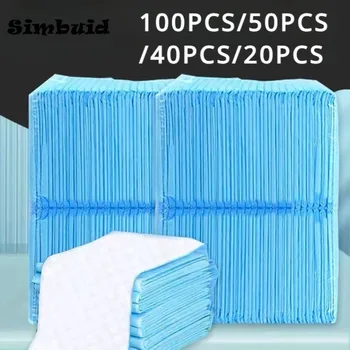
Urine needs quick action because moisture can travel through carpet fibers and into the pad underneath. If the area is still wet, place paper towels or a clean cloth over the spot and press firmly. Replace the towels and repeat until they come away mostly dry. Do not rub – rubbing pushes the liquid outward and deeper into the fibers.
Next, apply a pet-safe enzyme cleaner according to the label directions. Enzyme formulas are designed to break down the organic residue that causes lingering odor. This matters because pets can often smell what people cannot. If the odor remains, your dog or cat may return to the same area and treat it like an approved bathroom spot.
Let the cleaner sit for the recommended time, then blot again. Allow the rug or carpet to air-dry fully before deciding whether the odor is gone. A fan can help the area dry faster. For a larger accident or a stain that has reached the carpet backing, you may need a second treatment. Old, recurring urine odors sometimes require professional carpet cleaning or replacement of the affected padding.
What Not to Do With Urine Stains
Skip ammonia-based cleaners. Urine contains ammonia compounds, and that familiar scent can be confusing or even appealing to some pets. Also, do not soak a carpet with water in an attempt to rinse the spot. Excess moisture can encourage mildew below the surface and make odor removal more difficult.
Cleaning Vomit, Feces, and Food Messes
Start by removing solids with a paper towel, scraper, or gloved hand. Work from the outside edge toward the center so the mess does not spread. Once the solid material is gone, blot the area with a cloth dampened in cool water.
For fabric-safe surfaces, a pet-safe enzyme cleaner is again a great choice. It can help with both visible residue and odor. Follow the product instructions carefully, especially regarding how long it should remain on the fabric. Then blot with a clean, damp cloth and let the area air-dry.
If the stain is on a removable pet bed cover, blanket, or washable toy, check the care label before laundering. Cold or cool water is usually the safer starting point for fresh organic stains. Do not put the item in the dryer until you are sure the stain and odor are gone. Dryer heat can lock in what is left behind.
For dried-on messes, patience helps more than force. Moisten the area gradually with a damp cloth, wait a few minutes, then lift residue gently. Aggressive scraping can damage upholstery, snag rug fibers, or remove color from delicate fabrics.
Muddy Paws and Everyday Dirt
Mud looks dramatic when it is wet, but it is often easier to remove after it dries. On rugs and upholstery, let the mud dry completely, then vacuum up as much loose soil as possible. Treat the remaining mark with a small amount of fabric-appropriate cleaner and blot, rather than saturating the material.
For hard floors, wipe up wet mud with a damp microfiber cloth and use a floor-safe cleaner if needed. Be careful with wood floors, laminate, and grout lines, where standing water can cause trouble. A feeding mat near water bowls and a washable entry mat by the door can reduce the number of small messes that reach the rest of the house.
Regular paw care also pays off. Wiping paws after rainy walks and keeping fur around the feet neatly groomed can make a surprising difference. A soft grooming brush helps remove loose dirt before it lands on furniture, bedding, and car seats.
Treat Upholstery and Bedding With Extra Care
Couches, chairs, mattresses, and pet beds are common accident zones because they hold scent and warmth. Before using any cleaner on upholstery, test it in a hidden area first. Wait until the test spot dries to check for fading, water rings, or texture changes.
Use as little moisture as possible on cushions and foam-filled furniture. Blot the accident, apply your cleaner lightly, and blot again with a clean cloth. If the cushion has a removable cover, follow the manufacturer’s washing directions. If urine has soaked deep into foam, surface cleaning may not be enough. In that case, treat both the cover and the cushion insert if the care instructions allow it.
Mattresses need a similar light-touch approach. Blot thoroughly, use an enzyme cleaner sparingly, and dry the area completely with airflow. Covering the mattress with clean bedding before it is dry can trap moisture and odor.
When DIY Pet Stain Removal Is Not Enough
Most fresh accidents respond well to prompt, careful cleaning. Still, some situations deserve extra help. Consider a professional cleaner when a stain is large, repeatedly returning, deeply soaked into carpet padding, or on a high-value material such as silk, wool, suede, or vintage upholstery.
You may also want to speak with your veterinarian if accidents become unusual for your pet. Sudden changes in bathroom habits, frequent urination, diarrhea, vomiting, or discomfort can point to a health issue rather than a training setback. Cleaning the mess solves one part of the problem, but your pet’s comfort comes first.
Make the Next Cleanup Easier
A small pet cleanup kit saves time when an accident happens. Store your chosen pet-safe cleaner, white cloths, gloves, paper towels, and a soft brush in one easy-to-reach spot. For travel, bring a compact version in the car along with water and waste bags.
Prevention is not about expecting perfection from pets. It is about giving yourself a little breathing room. Washable throws on favorite lounging spots, feeding mats under bowls, regular grooming, and quick paw wipes after outdoor time all help protect the surfaces you love.
At Global Paw Store, we believe everyday pet care should feel practical, affordable, and full of the small comforts that make a house feel like home. Keep your supplies ready, treat fresh stains gently, and give each surface enough time to dry. Your home can be lived in, loved in, and shared happily with the pets who make it better.


0 Comments