
When it comes to keeping pets happy and healthy, it’s easy to focus on food, walks, or vet visits—but one key factor often gets overlooked: mental and physical enrichment through toys. Pet toys aren’t just fun; they can be a game-changer for your furry friend’s overall well-being. In this guide, we’ll explore why enrichment matters, what types of toys work best, and actionable ways to make playtime both fun and purposeful.
Why Pet Toys & Enrichment Are More Than Just Fun
Most pet owners assume toys are just for entertainment—but research shows they play a critical role in mental stimulation and physical activity. Without enrichment, pets may develop boredom-related behaviors, such as chewing furniture, excessive barking, or anxiety.
Fun Fact:
Studies indicate that dogs with daily mental stimulation are up to 40% less likely to develop destructive behaviors compared to dogs with minimal enrichment.
Enrichment activities help pets:
- Exercise their bodies
- Challenge their minds
- Reduce stress and anxiety
- Improve social skills if interacting with other pets or owners
Top 5 Types of Pet Toys & Enrichment
1. Interactive Toys
Interactive toys, like treat-dispensing puzzles, challenge pets to solve problems. These toys keep them mentally active while rewarding effort with treats or kibble.
Example: A dog puzzle that hides treats in compartments encourages problem-solving and prolongs playtime.
2. Chew Toys
Chew toys aren’t just for teething puppies—they help adult dogs maintain healthy teeth, relieve stress, and satisfy natural chewing instincts.
Tip: Rotate chew toys to prevent boredom and keep interest high.
3. Sensory Enrichment Toys
Toys that appeal to smell, sight, or touch, such as scented plush toys or textured balls, can keep pets engaged for longer periods.
Example: Catnip-stuffed mice for cats stimulate hunting instincts and encourage exercise.
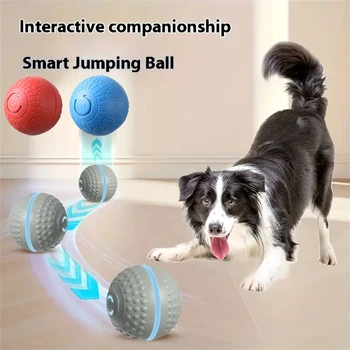
4. Fetch & Tug Toys
Classic fetch or tug toys are excellent for physical activity, strengthening bonds between pets and their owners.
Pro Tip: Combine fetch toys with short training sessions to provide both mental and physical stimulation.
5. DIY Enrichment
You don’t need to spend a fortune—simple items like cardboard boxes, treat-filled bottles, or homemade obstacle courses can create hours of entertainment.
Example: Hide kibble in paper towel rolls or boxes for a fun foraging activity.
How to Choose the Right Toys for Your Pet
Not all toys are created equal. Consider these factors:
- Pet size and breed: Larger dogs need sturdy toys; small pets need lighter, safe options.
- Material safety: Avoid toys with small parts that could be swallowed.
- Interest level: Observe which textures, sounds, and types of toys your pet prefers.
- Rotation schedule: Switch out toys every few days to maintain novelty.
Trend Insight:
Pet owners are increasingly choosing multi-functional enrichment toys—products that combine treat-dispensing, sensory stimulation, and chew-friendly materials into one.
Making Playtime a Routine
Pets thrive on consistency. Incorporate play and enrichment into your daily schedule:
- Morning or evening sessions: Short 10–15 minute interactive play blocks work wonders.
- Combine mental and physical play: Alternate puzzle toys with active fetch.
- Reward calm behavior: After play, reward with affection or a small treat.
Example: Start the day with a 10-minute treat puzzle, then a 20-minute fetch session, and end with a calming chew toy before bedtime.
Conclusion
Pet toys and enrichment are not just fun—they are essential for your pet’s health, happiness, and longevity. By selecting the right toys and making playtime a regular habit, you can prevent boredom, encourage exercise, and strengthen the bond with your pet.
Light call-to-action: Share your pet’s favorite enrichment activity in the comments and subscribe to our newsletter for more tips on keeping your furry friends happy and healthy.



0 Comments