
A clean coat, comfortable paws, and a fresh smile can make a noticeable difference in how your furry friend feels at home. Pet grooming is not just about keeping pets photo-ready. It is a practical routine that helps you spot tangles, dirt, dry skin, overgrown nails, and other small issues before they become bigger sources of discomfort.
The good news for busy pet owners is that you do not need a professional-style setup to care for your dog or cat between appointments. A few dependable tools, a calm approach, and a routine that suits your pet can make grooming feel less like a chore and more like easy quality time.
Why Pet Grooming Belongs in Everyday Care
Pets pick up plenty during normal life: loose fur on the couch, dust from a sunny windowsill, mud from a favorite walking trail, and crumbs from an enthusiastic meal. Regular grooming keeps that everyday mess more manageable, but the benefits go well beyond a cleaner home.
Brushing lifts loose hair before it spreads through your furniture and clothing. It can also help prevent painful mats, especially for long-haired dogs and cats. Gentle brushing gives you a chance to check for changes in the skin, unusual bumps, pests, or sensitive areas your pet may be trying to hide.
Nail care matters, too. Nails that grow too long can make walking uncomfortable and may snag on rugs or bedding. Basic dental care helps freshen breath and supports a cleaner mouth, while occasional ear checks can help you notice buildup or odor early. None of this needs to happen all at once. Small, consistent habits are usually easier on both you and your pet.
Build a Pet Grooming Kit You Will Actually Use
The best grooming kit is not the biggest one. It is the one that matches your pet’s coat, lifestyle, and comfort level. Start with a quality brush or comb designed for your pet’s fur type, then add items as your routine develops.
For most households, a simple kit includes these everyday essentials:
- A brush or deshedding tool for loose fur and light tangles
- A wide-tooth comb for checking longer coats and hard-to-reach areas
- Pet-safe nail clippers or a nail grinder
- A soft toothbrush and pet toothpaste
- Gentle pet wipes or a towel for quick cleanups
- A pet-safe shampoo for bath days
Short-haired pets often benefit from a soft bristle brush or grooming glove that picks up loose hair without pulling. Medium and long coats generally need more thorough brushing, often with a slicker brush and comb used together. Curly or dense coats may need careful section-by-section brushing to avoid mats close to the skin.
Do not assume a stronger tool is automatically better. A deshedding brush may be useful during shedding season, but heavy pressure or overuse can irritate the skin. If your pet flinches, tries to leave, or develops redness, scale back and choose a gentler approach.
Make Grooming Feel Safe From the Start
Your pet does not need to love every grooming task immediately. The goal is to help them learn that handling, brushing, and short care sessions are safe and predictable.
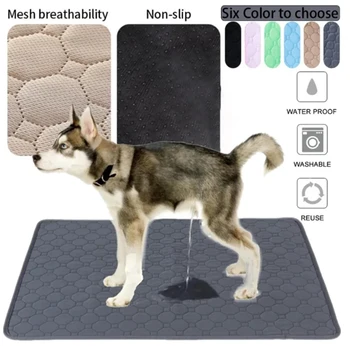
Choose a quiet space with good lighting and a non-slip surface. For a small pet, a folded towel on a secure table can offer stability. For larger dogs, a floor mat may be more comfortable. Keep sessions short in the beginning, especially with nervous pets, and offer calm praise or a favorite treat after cooperation.
Start by showing your pet the brush or clippers without using them. Let them sniff the tool, then touch it briefly to the shoulder or back. For brushing, use slow strokes in the direction the fur grows. Avoid jumping right into sensitive places such as the belly, tail, ears, paws, or behind the legs.
If your cat disappears at the sight of a brush, try grooming after a meal or during a relaxed nap window. If your dog becomes wiggly, a brief walk before grooming can take the edge off. Timing matters more than forcing a full session.
Brushing: The Habit That Pays Off
Brushing frequency depends on coat type and how much your pet sheds. A smooth-coated dog may only need a quick weekly brush, while a long-haired cat or dog may need attention several times each week. Pets prone to matting can benefit from brief daily checks.
Work in small sections, beginning where your pet is most comfortable being touched. For longer fur, use one hand to hold the coat gently near the skin while you brush with the other. This reduces tugging and makes it easier to find hidden knots. Never pull hard on a mat or cut close to the skin with household scissors. Pet skin is delicate and can be injured quickly.
A small tangle may loosen with patient combing from the outer edge inward. A tight mat, a mat near the skin, or a pet who reacts in pain is a reason to stop and seek help from a professional groomer or veterinarian. There is no prize for finishing a brush-out at the expense of your pet’s comfort.
Bath Time Without the Drama
Most pets do not need frequent baths. In fact, bathing too often can strip natural oils and leave skin dry. Active dogs that love puddles may need baths more regularly than indoor cats or low-mess pets. Your pet’s coat, skin needs, and veterinarian’s guidance should lead the schedule.
Before the bath, brush out loose fur and tangles. Use lukewarm water, pet-safe shampoo, and a towel within reach. Human shampoo is not a good substitute because pet skin has different needs. Keep water away from the eyes and inside the ears, and rinse thoroughly. Leftover shampoo can cause itchiness.
For many everyday messes, a full bath is unnecessary. A damp cloth, pet wipes, or a quick paw rinse after a walk can keep your home cleaner while saving bath time for when it is truly needed. This is especially helpful for pets that find water stressful.
Nails, Teeth, and Ears Need a Gentle Plan
Nail trims can feel intimidating, but they become easier when handled in tiny steps. Get your pet used to having their paws touched first. Then trim just the pointed tip of one or two nails at a time. If your pet has light-colored nails, avoid the pink area inside the nail called the quick. With dark nails, take off very small amounts and stop when you see a darker center.
Some pets do better with a nail grinder than clippers, while others dislike the sound and vibration. It depends on the individual pet. If you are unsure where to trim or your pet becomes highly distressed, ask a groomer or veterinarian to show you a safe technique.
Dental care is another area where consistency beats perfection. Begin by touching the lips and gums briefly, then introduce a pet toothbrush and pet toothpaste gradually. Even a few gentle brushing motions can help establish the habit. Never use human toothpaste, which may contain ingredients that are unsafe for pets.
For ears, look rather than dig. A quick check for strong odor, heavy debris, redness, head shaking, or frequent scratching can tell you when it is time to call your veterinarian. Cotton swabs pushed into the ear canal can cause harm, so keep ear care simple unless you have received specific guidance.
Know When Home Care Should Pause
At-home grooming is ideal for routine maintenance, not for treating medical problems. Contact your veterinarian if you notice open sores, bleeding, significant hair loss, swollen areas, persistent odor, parasites, severe itching, or sudden sensitivity to being touched. A professional groomer can also be the right choice for difficult coat work, breed-specific cuts, or pets that need experienced handling.
For everyday comfort, though, your routine can stay simple. Keep the tools where they are easy to reach, use a brush before loose fur builds up, and make small care moments part of the week. With practical essentials and a little patience, pet grooming can become one more easy way to help your furry friend feel clean, comfortable, and cared for.





0 Comments