
A puppy can turn a chair leg, sneaker, or phone charger into a favorite chew target in seconds. The right guide to puppy chew accessories starts with that simple reality: chewing is normal, especially while your puppy is teething, learning, and burning off excitement. Giving them a better option protects your home while giving their growing mouth a satisfying, appropriate outlet.
Chew accessories are not all the same, and bigger or tougher is not automatically better. A great choice matches your puppy’s current size, chewing style, age, and supervision needs. With a few practical picks on hand, you can make playtime easier, redirect unwanted chewing quickly, and keep your furry friend happily occupied.
Why Puppies Need Chew Accessories
Puppies explore with their mouths. They chew to investigate new textures, ease teething discomfort, release energy, and sometimes cope with boredom. That does not mean every chewed-up household item is a behavior problem. Often, it means your puppy needs clearer choices and more chances to use them.
During the teething months, many puppies seek out something firm enough to press against sore gums. A puppy-safe chew toy can provide relief without asking them to gnaw on furniture, hands, or shoes. Chewing also creates a quiet activity for moments when you need to answer emails, prepare dinner, or help the kids with homework.
The key is redirection. If your puppy grabs something off-limits, calmly trade it for an approved chew accessory. Praise them when they choose the toy. Repeating this simple routine teaches a valuable household rule: some things are for chewing, and some are not.
Guide to Puppy Chew Accessories: Start With Safety
Before choosing colors, shapes, or cute designs, look closely at size and construction. A chew accessory should be large enough that your puppy cannot swallow it whole or fit the entire item behind their back teeth. When in doubt, choose a size made for your puppy’s weight range, then supervise the first few play sessions.
Texture matters, too. Very hard items can be rough on young teeth, while flimsy toys may split apart quickly. Look for puppy-specific rubber, flexible nylon, soft rope, or durable plush materials designed for supervised play. If a toy has squeakers, stuffing, ribbons, or small add-ons, inspect it often and remove it if pieces begin to loosen.
Skip household objects that seem convenient but can cause trouble. Old shoes encourage confusing habits, and cooked bones can splinter. Small balls, cracked plastic, and toys intended for larger adult dogs can also be poor matches for a young puppy. A product labeled for puppies is a useful starting point, but your own observation matters most.
No chew item is completely indestructible. Check toys after use for sharp edges, deep cracks, exposed stuffing, or chunks that have been bitten off. Replace worn accessories promptly. A fresh toy costs far less than a stressful emergency or a damaged favorite belonging.
Match the Toy to Your Puppy’s Chewing Style
Some puppies are gentle nibblers. Others seem determined to test every material in the house. Start with one or two options rather than filling a basket with random toys, then watch what happens.
For light chewers, soft plush toys, braided fabric toys, and gentler rubber pieces can offer comfort and companionship. These are especially nice for cuddly puppies, but they need closer monitoring because determined chewers may tear them open.
Moderate chewers often do well with textured rubber toys, flexible chew sticks, and thicker rope toys. Raised patterns can give puppies an interesting surface to mouth while making the toy more engaging than a plain shape.
For enthusiastic chewers, choose sturdy puppy-rated rubber or tough flexible nylon accessories in the correct size. Avoid assuming an extra-hard product is best. Young mouths are still developing, and a toy should challenge your puppy without feeling like a rock. If you cannot comfortably press a thumbnail into the material at all, it may be too hard for a teething puppy.
The Most Useful Chew Accessories for Daily Life
A small, well-chosen rotation is more useful than a giant pile of toys. Different accessories can serve different moments in your puppy’s routine.
Rubber chew toys are versatile everyday choices. Many have ridges, grooves, or open centers that make chewing more interesting. Some can hold a puppy-friendly treat or a small portion of kibble, turning a few minutes of chewing into a longer, rewarding activity. Use treats thoughtfully, especially if your puppy is still learning portion control.
Rope toys work well for supervised chewing and gentle games of tug. They can add texture and encourage interactive play with the family. Take them away when strands begin to unravel, since loose fibers are not something a puppy should swallow.
Teething toys made from softer, puppy-friendly materials are ideal for young dogs whose gums are tender. A chilled chew toy can feel soothing for some puppies. Follow the care directions, and never freeze an item unless the manufacturer says it is safe to do so, as overly hard frozen materials may be uncomfortable.
Plush toys bring a different kind of value. They can be comforting during crate time or naps, and many puppies enjoy carrying them around. Choose a well-made option with minimal detachable parts, and reserve plush for puppies that do not shred fabric immediately.
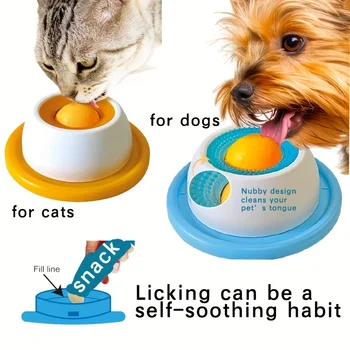
Treat-dispensing toys are especially helpful for busy households. They give puppies a job to do and can slow down fast eaters when used with a measured part of their normal meal. They are not a replacement for walks, training, or attention, but they are a smart tool for keeping curious minds occupied.
Use Rotation to Keep Chewing Interesting
A puppy does not need access to every toy all day. In fact, rotating a few accessories can make familiar items feel new again. Keep two or three choices available, then switch them every few days. This helps prevent boredom without requiring constant new purchases.
Reserve a special chew toy for predictable challenge points, such as guests arriving, the family sitting down to eat, or quiet crate practice. Over time, your puppy may begin to look forward to that toy instead of looking for mischief.
It also helps to place chew accessories where life happens. Keep one near the couch, another in the crate, and one in a travel bag for car rides or visits. For safety, avoid leaving a new toy with an unsupervised puppy until you know how they handle it.
Cleanliness Counts
Chew toys collect saliva, crumbs, dirt, and whatever else your puppy finds outdoors. Clean them regularly according to the product directions. Rubber toys may be easy to rinse and scrub, while fabric and plush options may need gentle washing and complete drying.
Make cleaning part of your weekly pet-care routine along with brushing, feeding area upkeep, and checking collars or harnesses for fit. A clean accessory is more pleasant for your puppy and gives you another chance to notice early signs of wear.
Teach Good Chewing Habits Alongside Great Toys
The best chew accessories work even better with consistent training. When your puppy chooses their toy on their own, offer cheerful praise. If they mouth your hand during play, pause the interaction and offer a toy instead. Keep your response calm and predictable rather than turning the moment into a chase game.
Puppies also need enough movement, rest, and connection. A tired, overtired, or under-stimulated puppy may chew more intensely, so consider the full routine. Short training sessions, age-appropriate walks, sniffing time, and regular naps all support better behavior at home.
If chewing suddenly becomes frantic, your puppy seems uncomfortable, or they repeatedly swallow non-food objects, call your veterinarian for guidance. Accessories are useful everyday tools, but they cannot diagnose pain, stomach issues, or anxiety.
A few smart chew choices can make the puppy stage feel much more manageable. Choose safe materials, size each accessory carefully, and let your puppy’s habits guide your next pick. At Global Paw Store, practical pet essentials are all about making those everyday moments more comfortable for the furry friend you love and simpler for the family caring for them.

0 Comments